Orlando is more than a city. It is a vacation ecosystem unlike anything else on the planet.
Every year, millions of people come here for the parks, the weather, and the promise of a memorable trip. Many of them stay in vacation ownership resorts. From where I sit in Orlando, the timeshare industry looks more dynamic, more consumer focused, and more full of opportunity than ever before. But to understand that opportunity, you have to look at what is really happening now, not what people assume based on old stereotypes.
I have spent my career in this industry. And the more closely I watch it, the more convinced I am that Orlando remains the clearest signal for where vacation ownership is heading next.
Orlando Is Still the Center of Gravity
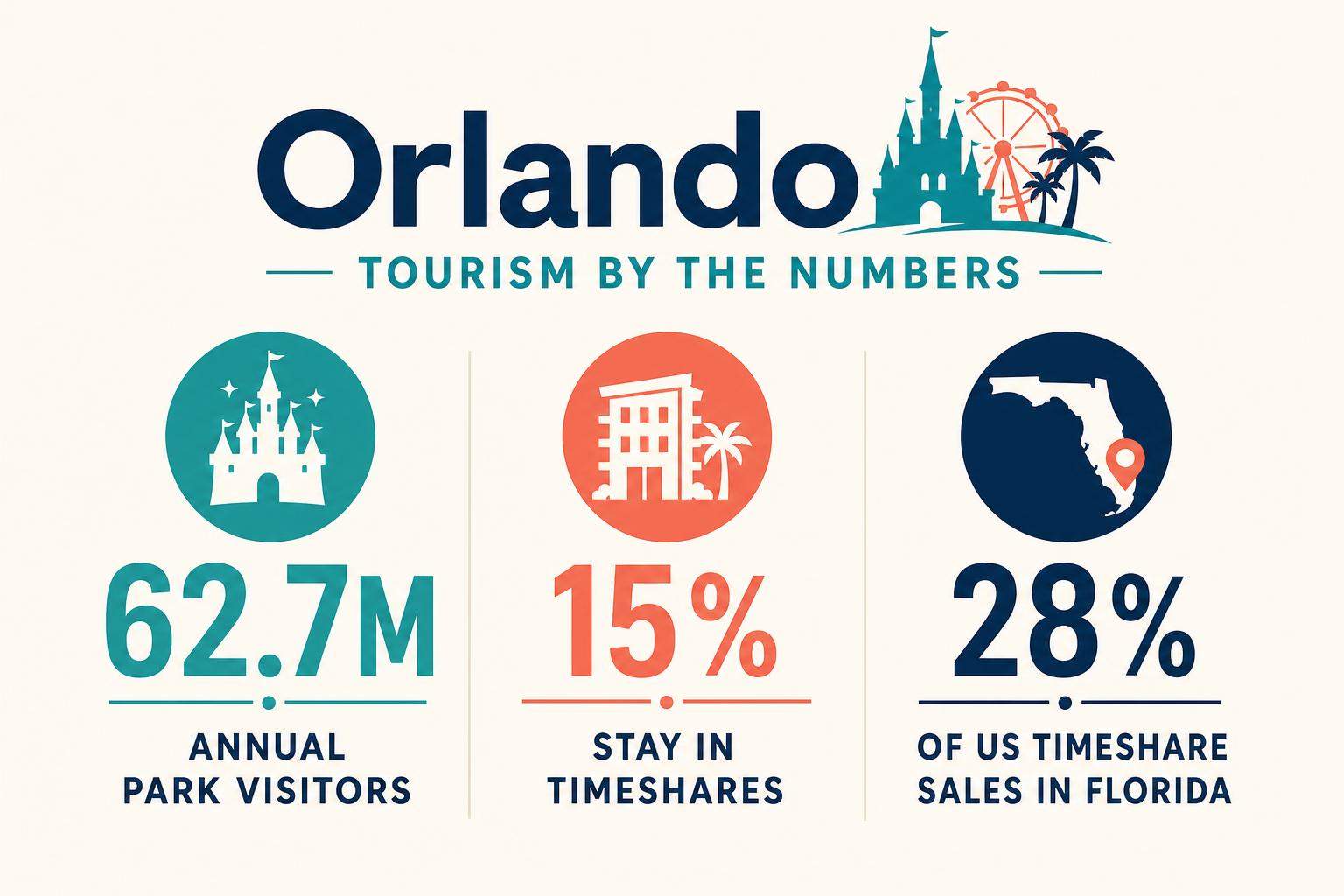
Orlando is not just home to Disney, Universal, and SeaWorld. It remains one of the most important vacation markets in the country. On my website, I talk often about how this city shapes consumer expectations for travel, flexibility, and resort quality.
That matters because timeshare works best where travel demand is steady and repeat visitation is strong. Orlando gives the industry both. Major brands like Marriott Vacation Club, Hilton Grand Vacations, Wyndham Vacation Ownership, and Disney Vacation Club all maintain a strong footprint across Orlando, Kissimmee, and Lake Buena Vista. That level of concentration is hard to match anywhere else.
The business side reflects that strength too. Hilton Grand Vacations, which is headquartered in Orlando, reported $852 million in contract sales in the fourth quarter of 2025 alone. That kind of volume says something important. Capital is still flowing into vacation ownership, and Orlando remains one of the places where that momentum is easiest to see.
The Industry Is Growing, Not Standing Still
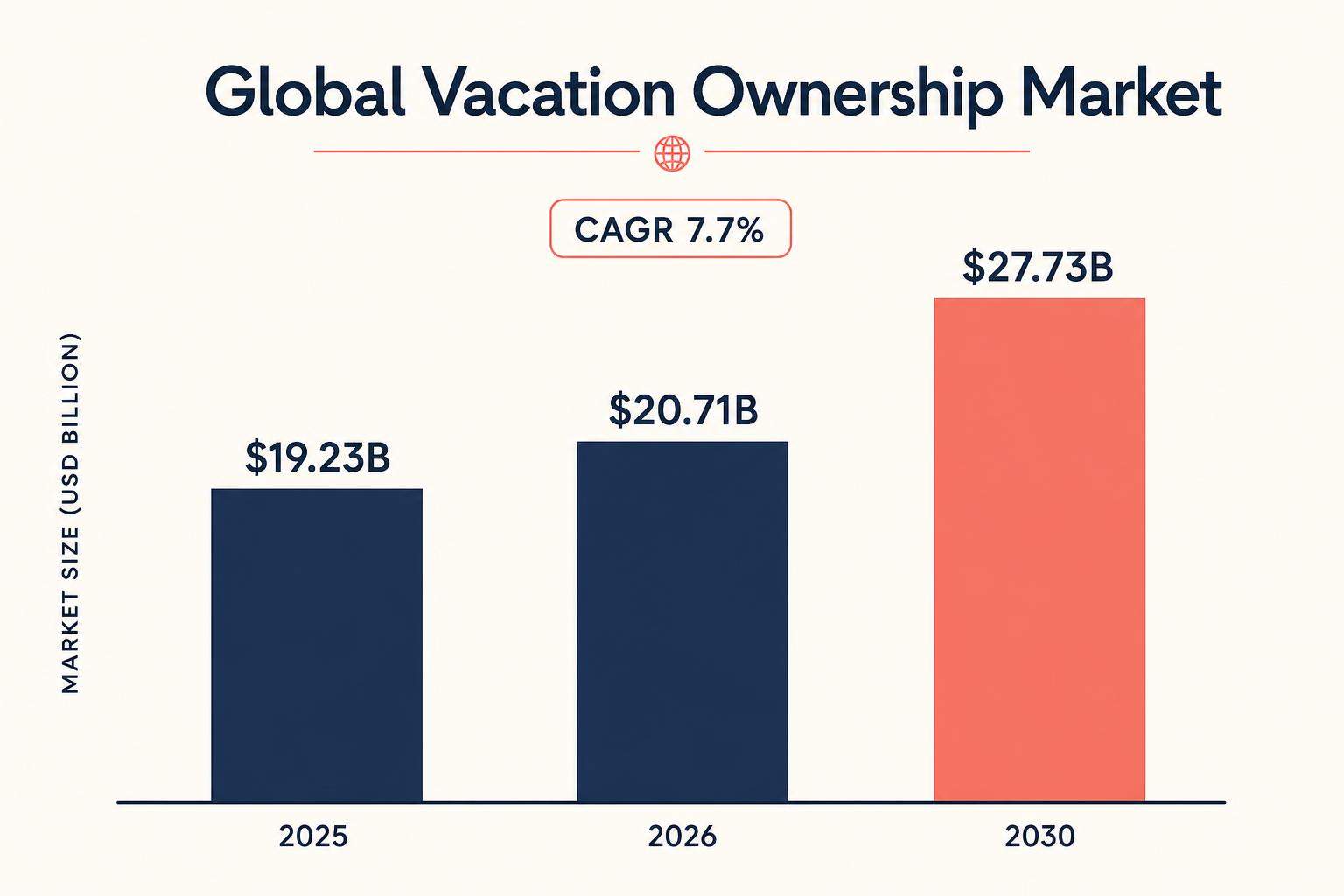
If you want a clear snapshot of where the industry stands, the numbers tell a strong story.
According to The Business Research Company, the global vacation ownership market is estimated at $19.23 billion in 2025 and is projected to reach $20.71 billion in 2026. That is meaningful growth in a space many people still misunderstand.
Business Research Insights also points to long term expansion in the vacation ownership market, with continued demand tied to experience based travel, flexible use models, and stronger digital engagement.
On the U.S. side, the latest ARDA industry reporting shows a sales volume of about $10.5 billion, along with nearly 1,500 resorts and about 195,800 timeshare units nationwide. That is not a niche corner of hospitality. It is a major part of it. Both Inside Hospitality Solutions and Resort Trades highlight just how stable the sector remains.
Occupancy Tells You a Lot
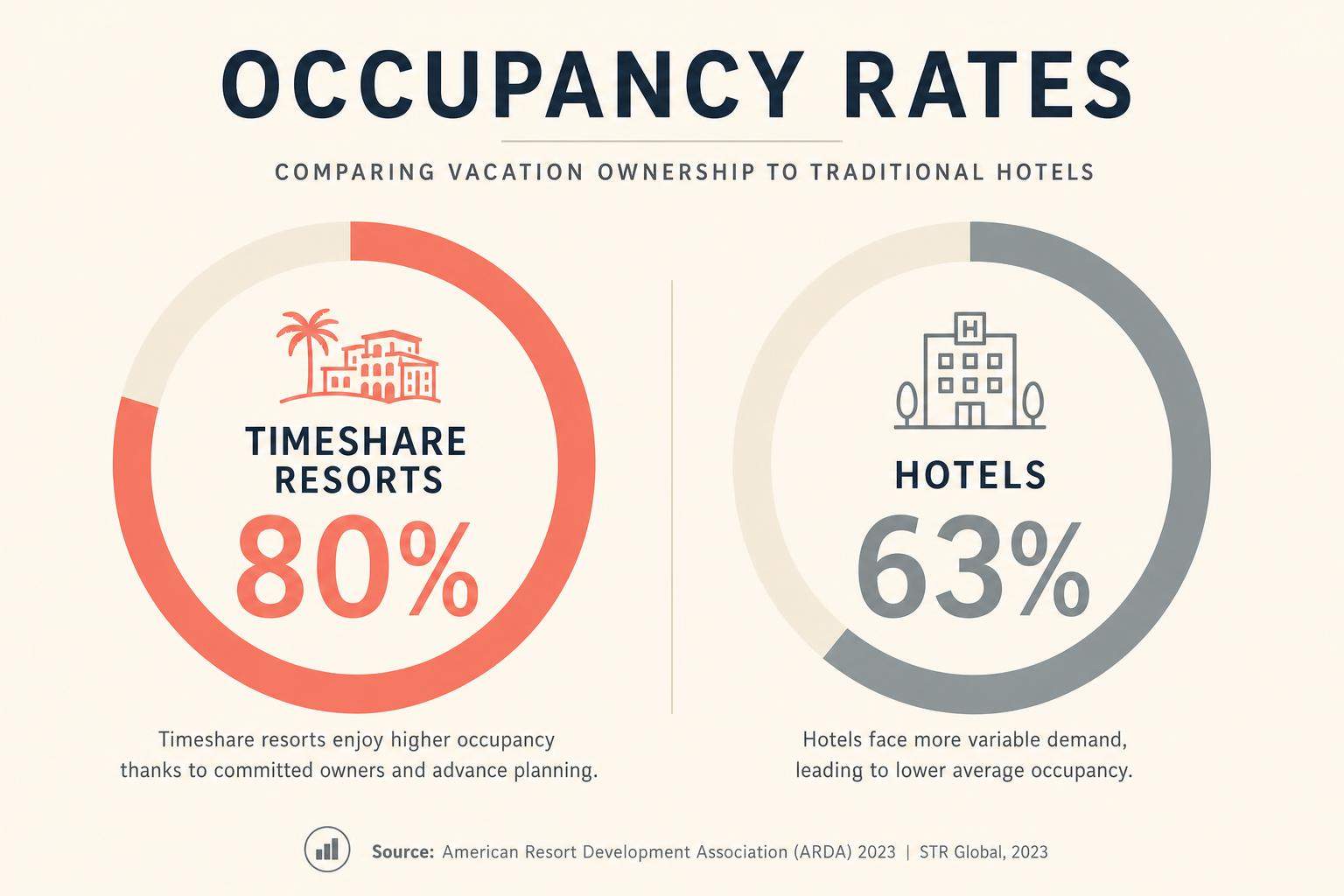
One figure I come back to often is occupancy.
ARDA’s 2025 industry numbers show average timeshare resort occupancy at 80 percent. That compares favorably with hotel occupancy in the low 60 percent range. That gap matters because it points to something bigger than just bookings. It shows that owners use what they buy, and resorts benefit from more stable demand.
That stability is one reason I remain optimistic about the category. A product that drives repeat travel and consistent use has real staying power, especially in a market like Orlando where family trips, annual traditions, and multi generational travel all remain strong.
It also helps explain why the biggest brands continue investing here. Orlando is not just a backdrop. It is one of the industry’s strongest proving grounds.
What Is Changing for Owners and Buyers
The timeshare model in 2026 looks very different from the version many people still imagine.
Today’s buyers want flexibility. They want better digital tools. They want to understand exactly what they are buying and how they can use it. Points based systems and hybrid vacation club structures have become a much bigger part of that conversation.
That shift is good for consumers. It gives owners more ways to use their benefits across destinations, seasons, and travel styles. It also means the industry is adapting, not standing still.
I talk about these changes often through my portfolio and through articles like this piece on why getting out of a timeshare is harder in 2026. The truth is simple. Buyers need better information on the way in, and owners need better guidance when life changes on the way out.
What Smart Ownership Looks Like
My work at Alpha Timeshare Consultants is built around one belief. Owners deserve clear, honest guidance.
A timeshare is a serious financial commitment. That means people need to understand the contract, the fee structure, the ownership type, and the long term obligations before they sign anything. It also means they need real options if the purchase no longer fits their life.
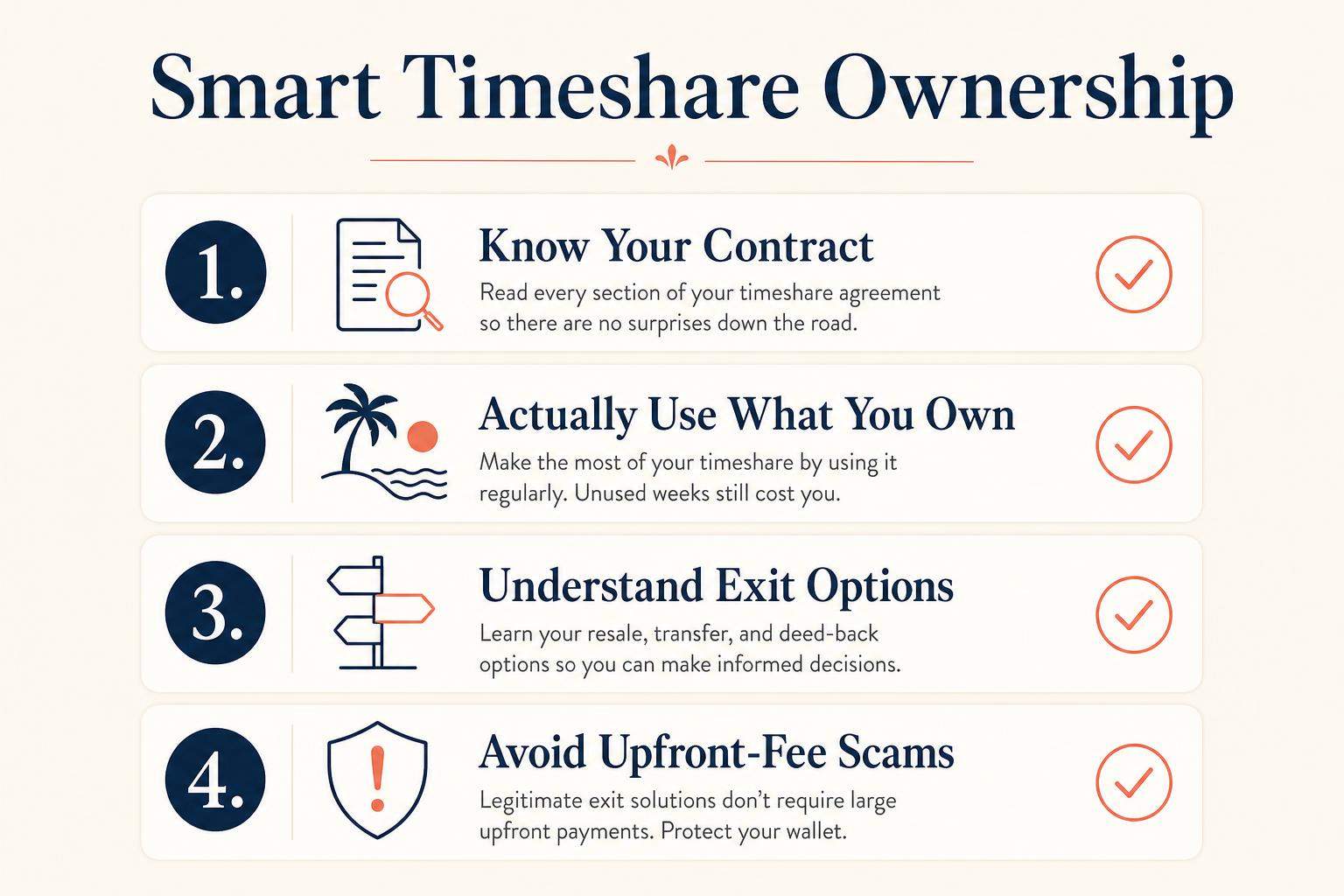
Here is what I tell clients all the time.
First, know your contract. Details matter. Usage rights, exchange options, maintenance fees, and resale or exit limitations vary more than most people realize.
Second, use what you own. Owners who actually travel with their membership tend to see the value more clearly. If someone is not using the product, that is usually the first sign that it is time to reassess.
Third, understand the exit landscape before there is a crisis. Too many owners wait until fees pile up or circumstances change dramatically. Good planning always creates better options.
Fourth, avoid companies that rely on pressure, vague guarantees, or oversized upfront promises. The exit side of this business still attracts bad actors. Clear process matters. Transparency matters more.
Why Orlando Still Matters So Much
Living and working in Orlando gives me a very specific view of this business. This city is where trends show up early. It is where major developers test new approaches. It is where the gap between a good owner experience and a bad one becomes obvious fast.
That is why I stay optimistic. The strongest operators are focusing more on transparency, flexibility, technology, and owner satisfaction. That is the direction the industry should move. And in many ways, it already is.
For families, this is not just about market data. It is about vacations that actually happen. It is about consistent quality. It is about building traditions in places people return to year after year.
That is the side of timeshare I care most about. Helping people make smart decisions. Guiding them when they are confused. Protecting them when they need it.
The Bottom Line
Orlando is not just a major tourism city. It is one of the clearest indicators of where vacation ownership is going next.
The industry is growing. Occupancy remains strong. Major developers continue investing. And owners who get the right product with the right expectations can still find real value in vacation ownership.
If you want to learn more about my work, connect with me on LinkedIn or visit brandonubiera.com. You can also explore more about my background and work through my portfolio.
Brandon Ubiera is the CEO of Alpha Timeshare Consultants, based in Orlando, Florida. He specializes in timeshare consulting, exit solutions, and consumer advocacy.